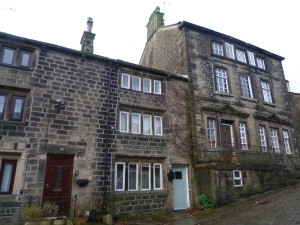
Charlotte, Emily and Anne Brontë
During the mid 19th century the small Pennine village of Haworth witnessed an extraordinary literary phenomenon. In the space of six years between 1847 and 1853, three remarkable sisters, Charlotte Brontë (1816-55), Emily Brontë (1818-48) and Anne Brontë (1820-49), wrote some of the most powerful and evocative novels in the history of English literature.
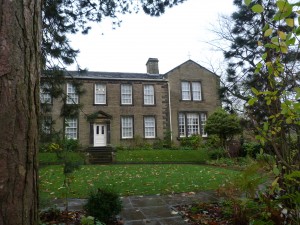
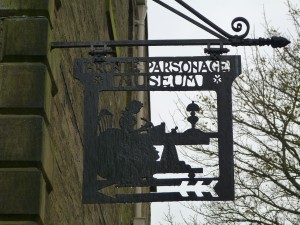
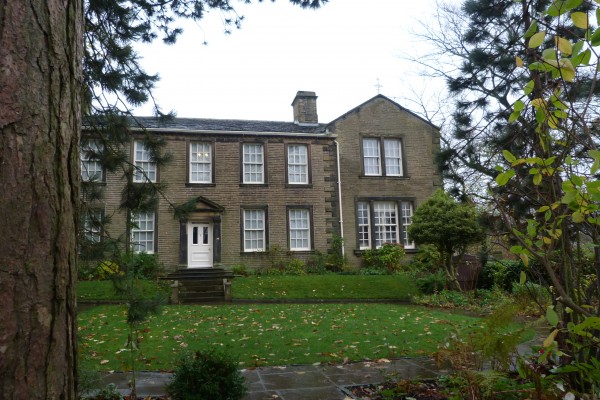
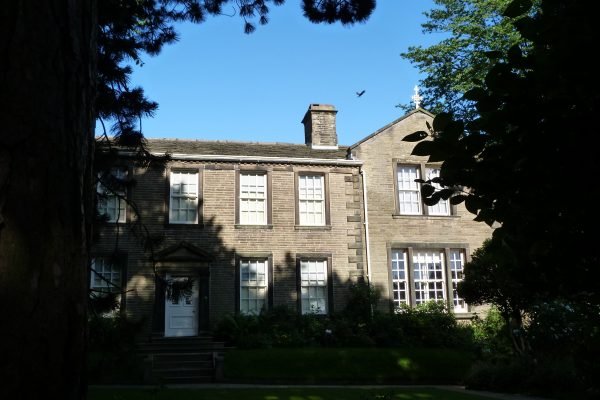
Above: Haworth Parsonage, now the Brontë Parsonage Museum
The Brontë sisters grew up at Haworth Parsonage, where their father, the Reverend Patrick Brontë (1777-1861), was vicar of Haworth from 1820. It was here that their novels were written and it was this area that provided the inspiration and setting for most of their work.
Educated partly at boarding school but mainly at home, along with their brother Branwell Brontë (1817-48), Charlotte, Emily and Anne were destined to become governesses as their father did not have sufficient means to support them. Writing was their passion from an early age, however, so they aspired to earn their living by this means instead.
In 1846 the Brontë sisters published a joint collection of poems. Their novels appeared shortly afterwards, initially published under the male pseudonyms of Currer, Ellis and Acton Bell. Charlotte Brontë‘s Jane Eyre, Emily Brontë‘s Wuthering Heights and Anne Brontë‘s Agnes Grey were all published in 1847, followed by The Tenant of Wildfell Hall by Anne Brontë in 1848.
Within a year, however, tragedy struck. Emily died of tubercolosis in December 1848, aged only 30, a few months after her brother Branwell. Anne was also struck down by the same disease and died the following year in 1849 at the age of 29.
Charlotte published two further novels during her lifetime, Shirley (1849) and Villette (1853), but she too died young, at the age of 38, in 1854. Her first novel, The Professor, initially rejected for publication in 1847, appeared posthumously in 1857.
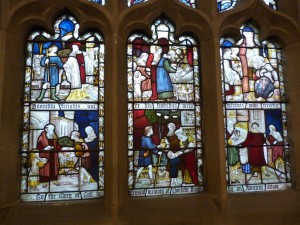
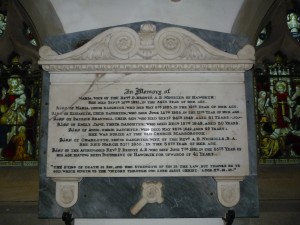
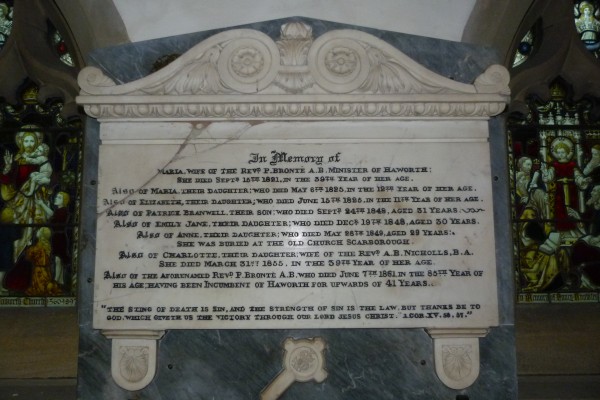
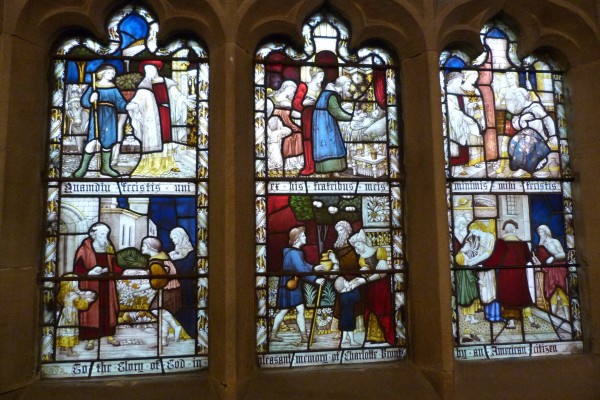
Above: Commemorative window and Brontë memorial in Haworth Parish Church
Haworth and Brontë Country
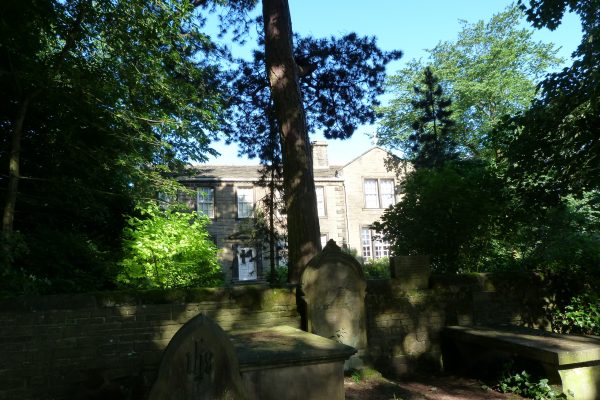
The atmospheric village of Haworth, home of the Brontë sisters, is less than 7 miles from Elmet Farmhouse. Steeped in character, its precipitous cobbled main street leads up to the parish church where the Reverend Patrick Brontë preached. Across the graveyard is Haworth Parsonage, where Charlotte, Emily and Anne Brontë grew up and wrote their extraordinary novels.
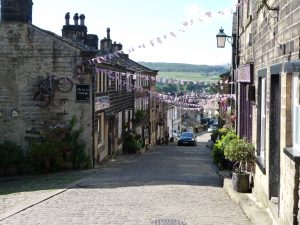
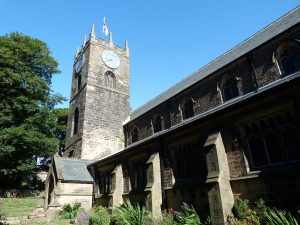
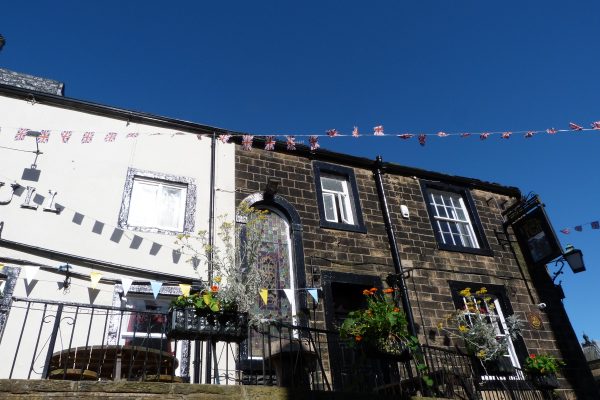
Above: Main street and parish church in Haworth
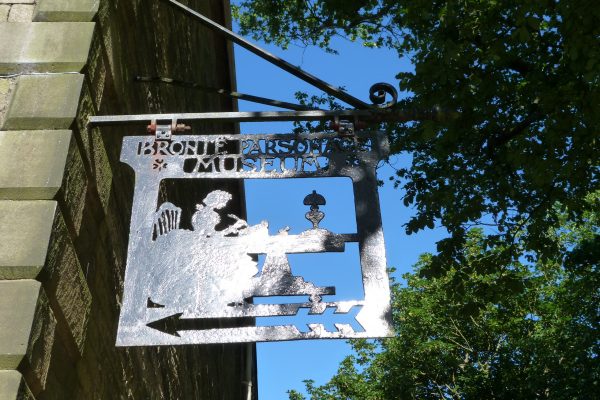
The world-famous Brontë Parsonage Museum is a shrine for all self-respecting Brontë fans. Here you can see where the Brontë sisters lived and worked, admire rare artefacts, such as the tiny manuscripts they wrote as children, and discover what triggered their imagination and prompted them to write such compelling novels and poems.
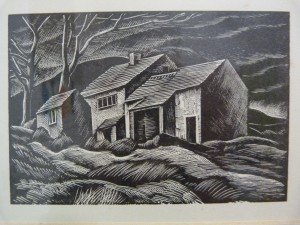
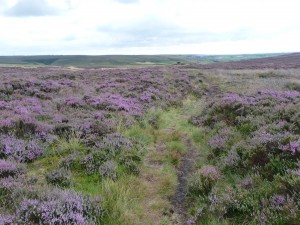
Above left: Top Withins, wood engraving by John Greenwood. Above right: Heather moorland above Pecket Well, near Haworth
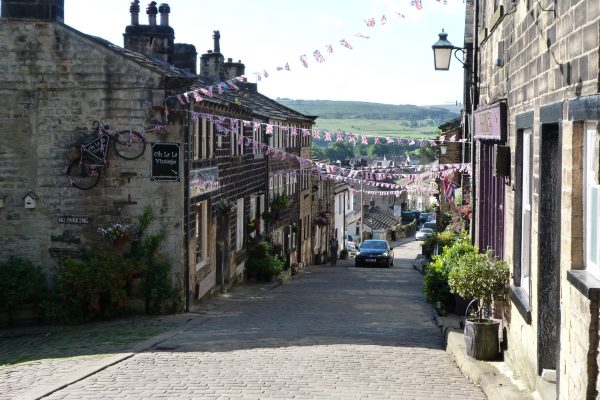 Haworth Village
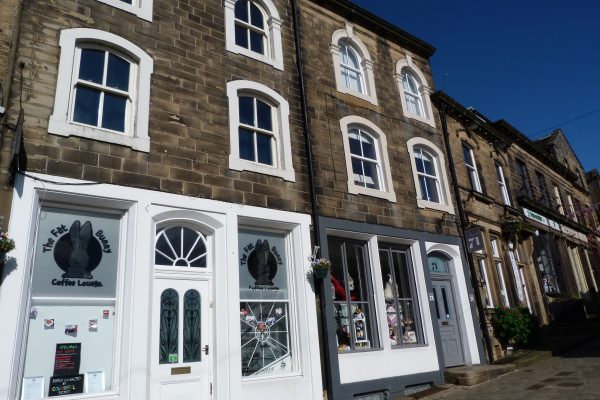
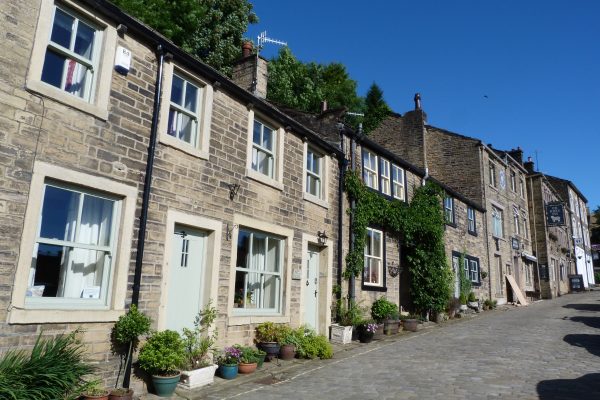
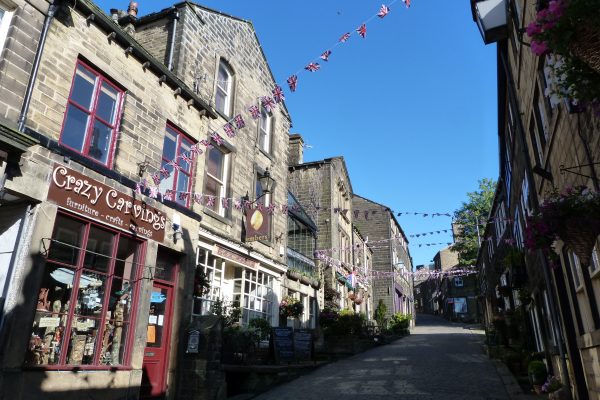

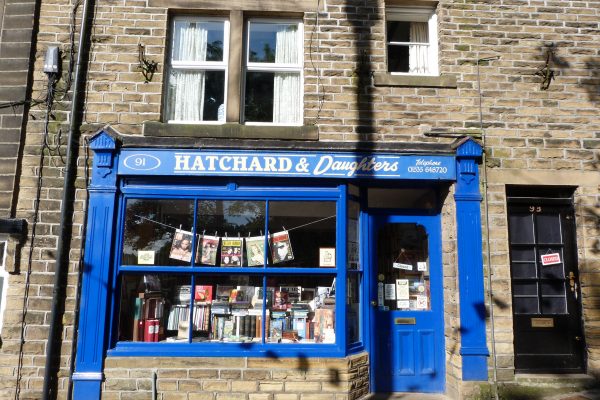
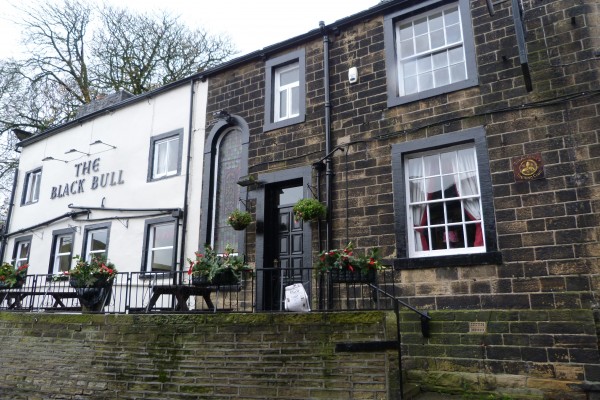
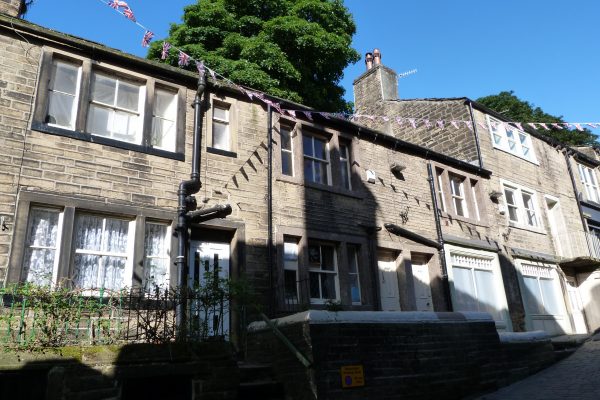
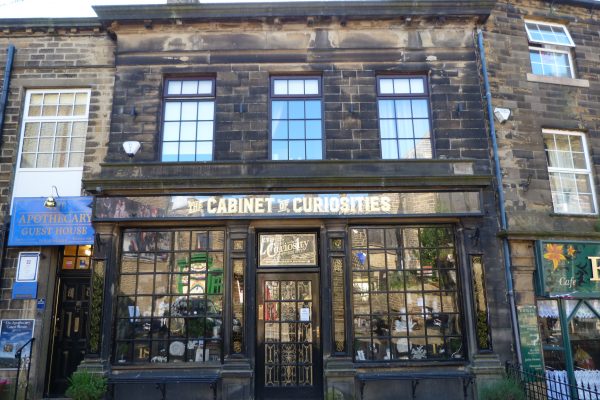
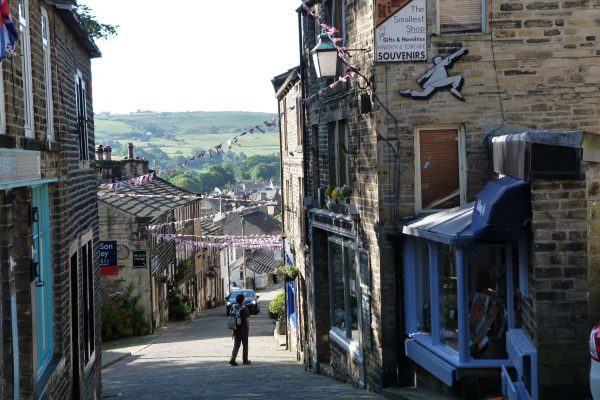
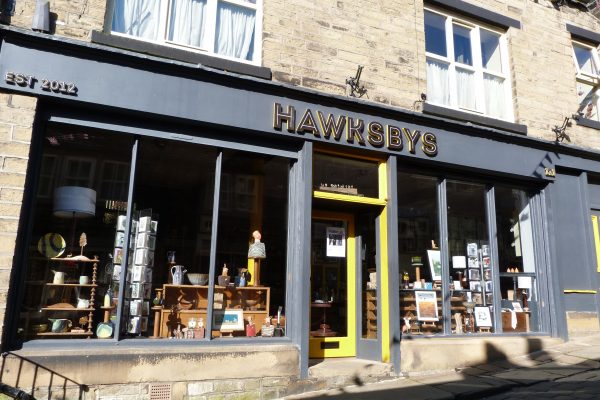
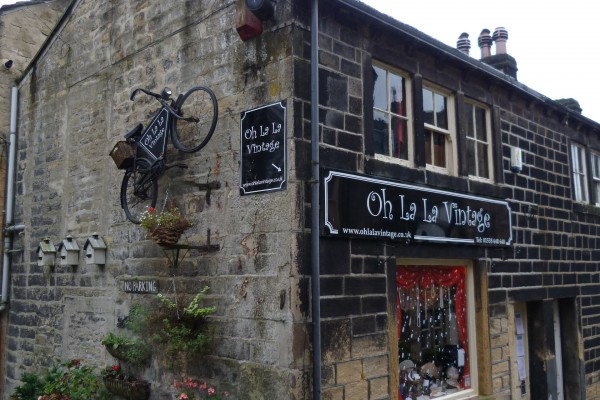
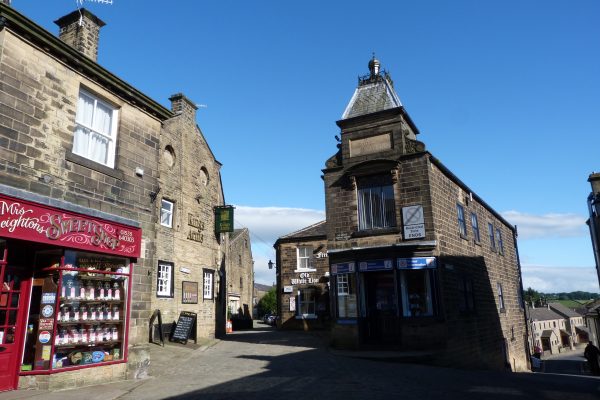
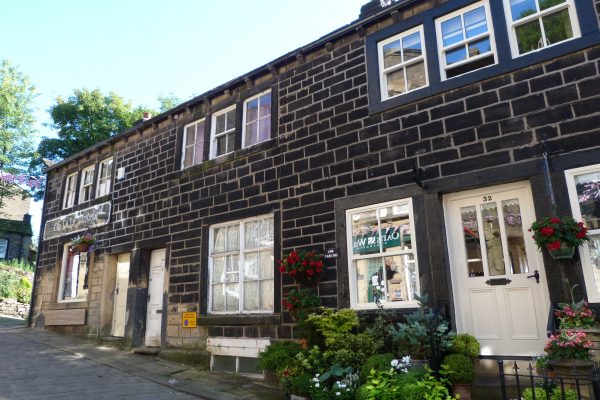
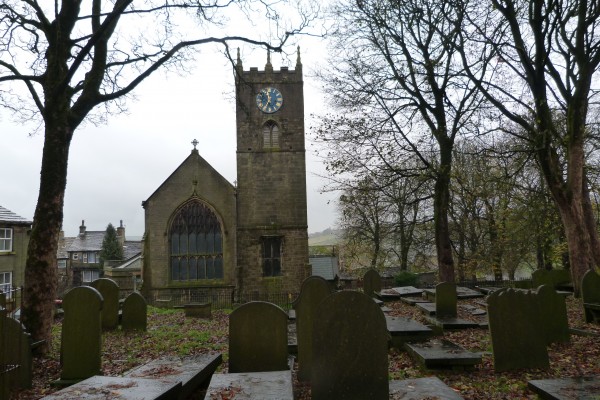
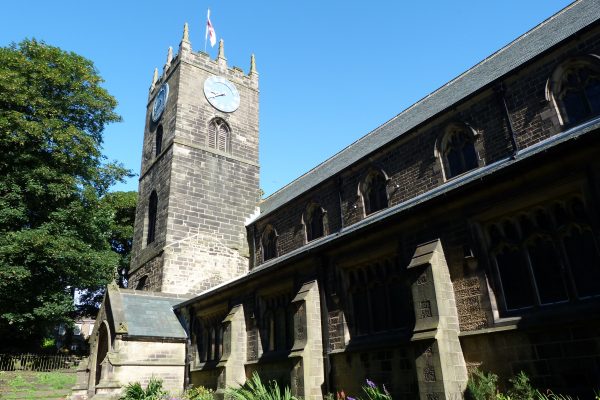
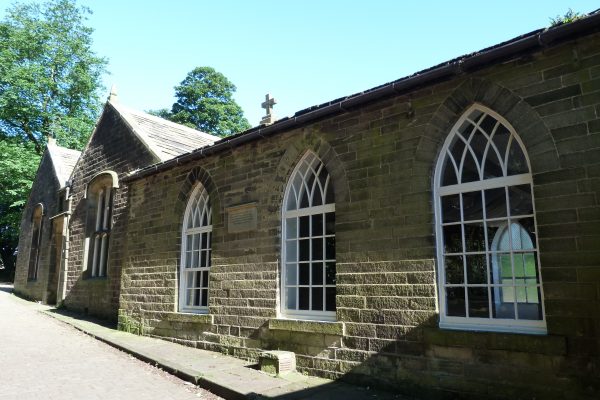
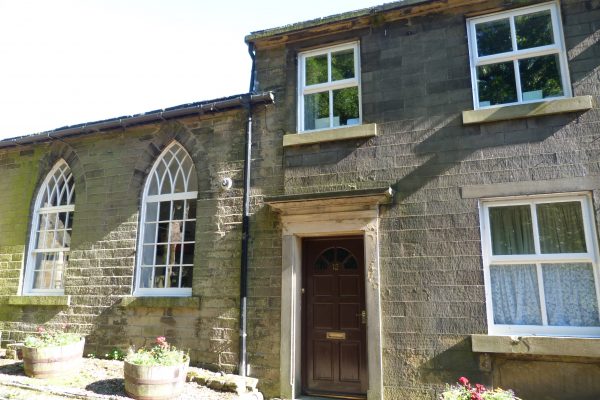
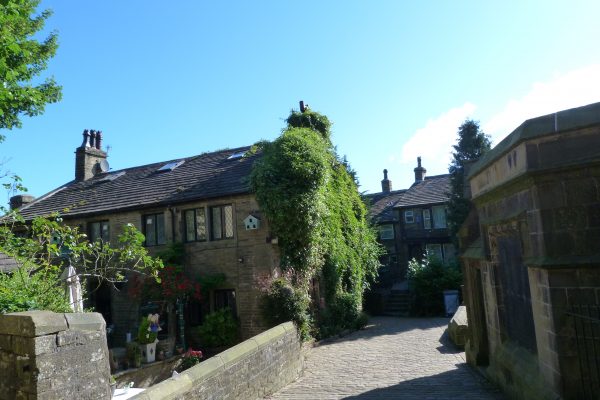
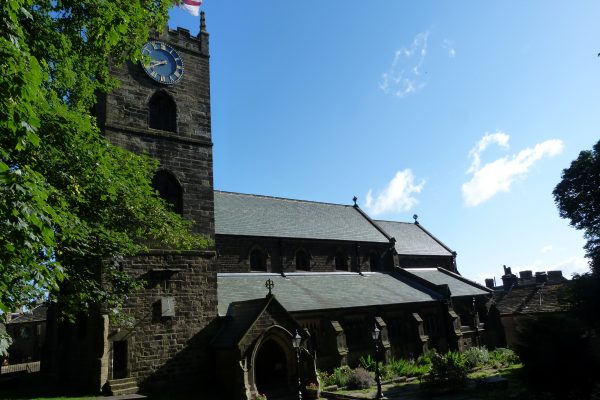
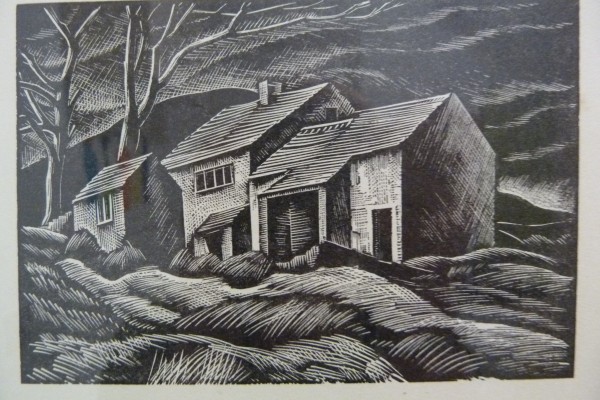
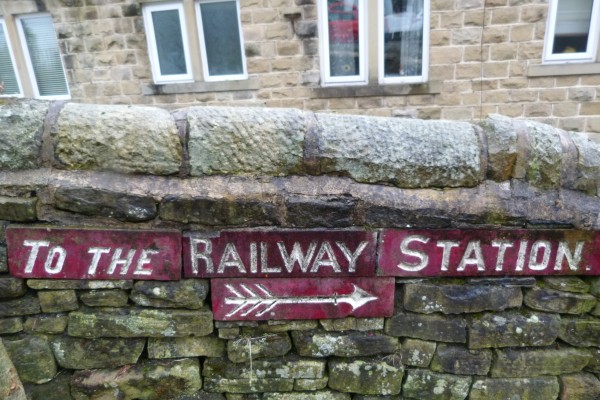
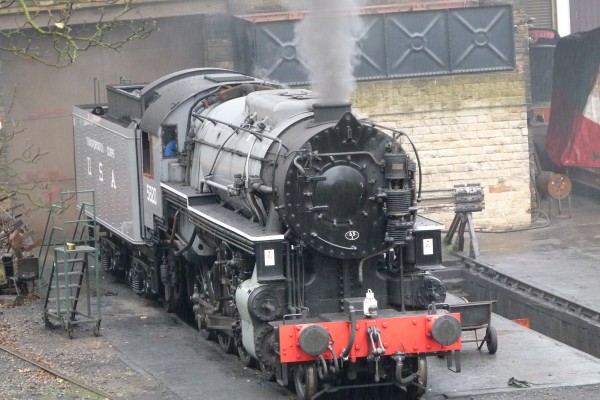
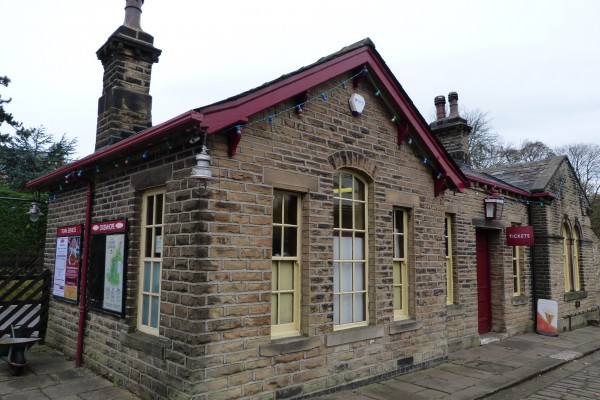
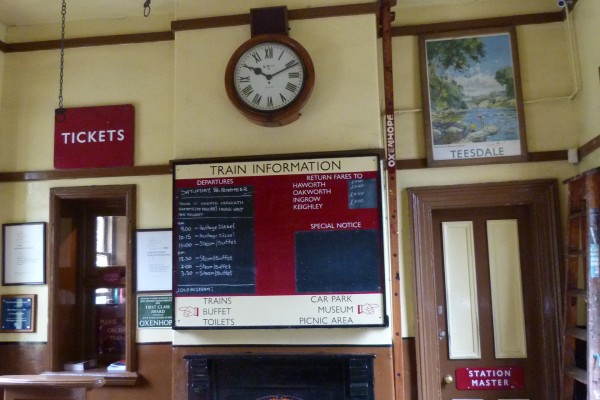
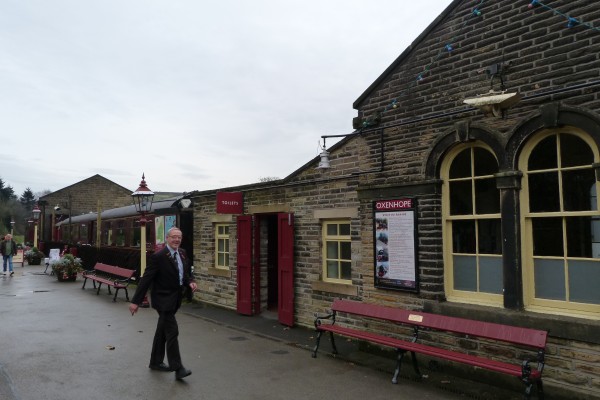
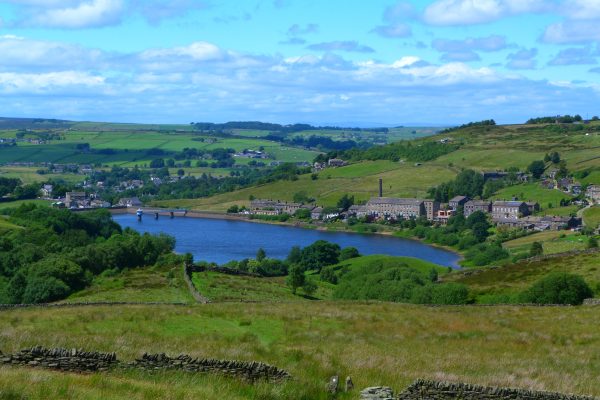
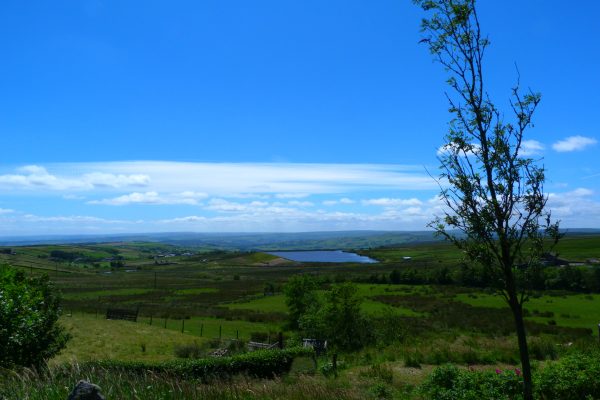
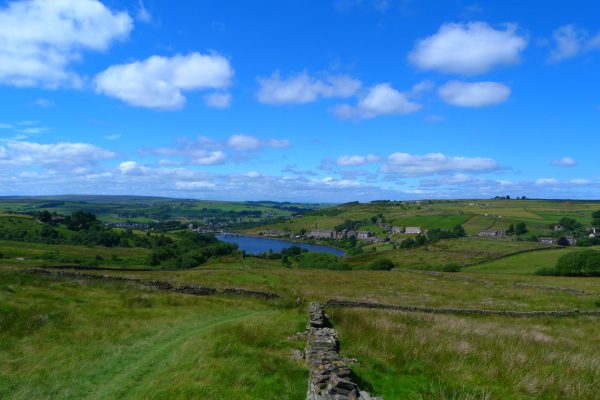
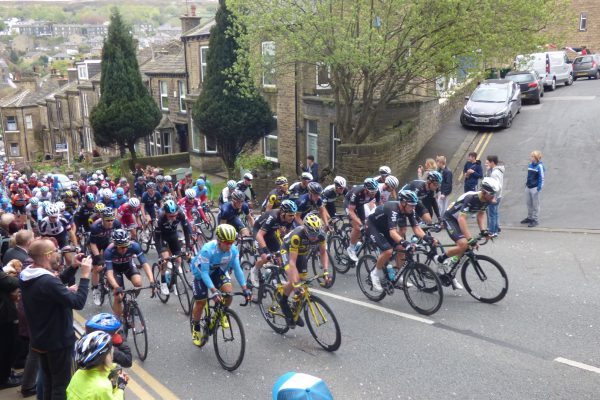
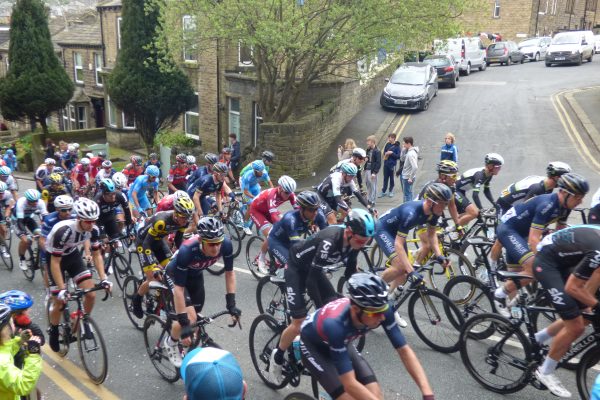
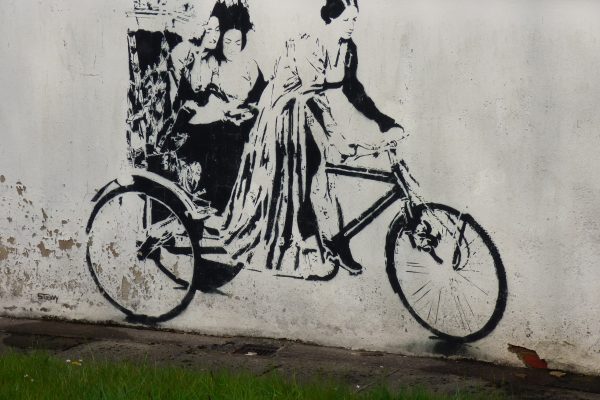
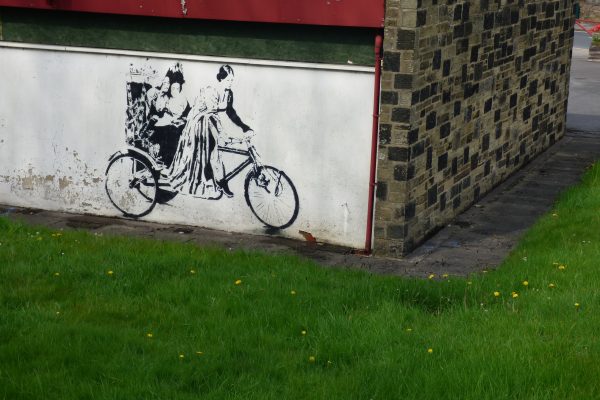
Elmet Farmhouse is in the heart of Brontë Country, so if you want to get a flavour of the rolling Pennine hills and heather moorland landscape that inspired the Brontë sisters and fired their imagination, this is the perfect place to stay. Haworth and Top Withins – the ruined moorland farmhouse said to be the inspiration for Wuthering Heights – are both within hiking distance of Elmet Farmhouse.
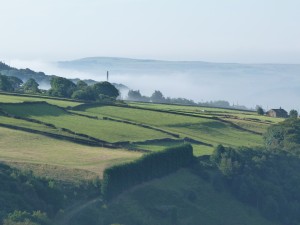
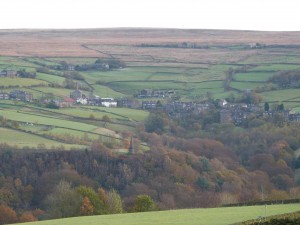
Above left: Crimsworth Dean. Above right: Pecket Well village with heather moorland above
The Haworth Old Road forks off just above the village of Pecket Well and runs through Crimsworth Dean before climbing up over Oxenhope Moor over towards Haworth. Pecket Well Mill, completed in 1858, was built during the Brontë era, and the ancient stone-built hill-top villages of the Upper Calder Valley, such as Heptonstall and Midgley, are very much part of the Brontë sisters’ world. Crimsworth is the surname of the hero in Charlotte Brontë’s first novel, The Professor.

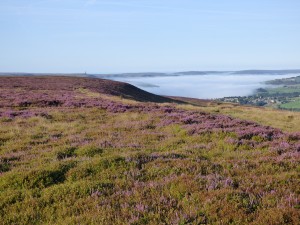
Above left: Crimsworth Memorial. Above right: Heather on Wadsworth Moor
Elmet Farmhouse itself – a yeoman clothier’s house dating back to the early 18th century – is built in the same vernacular style as Wuthering Heights, with stone mullion windows and a huge carved stone fireplace. Curl up in a window seat and read the Brontës’ novels and poems, copies of which await you in the Elmet Farmhouse library. The countryside that inspired these astonishing literary achievements is literally on the doorstep here, so if you want to commune with Charlotte, Emily and Anne, this is the place to come.